
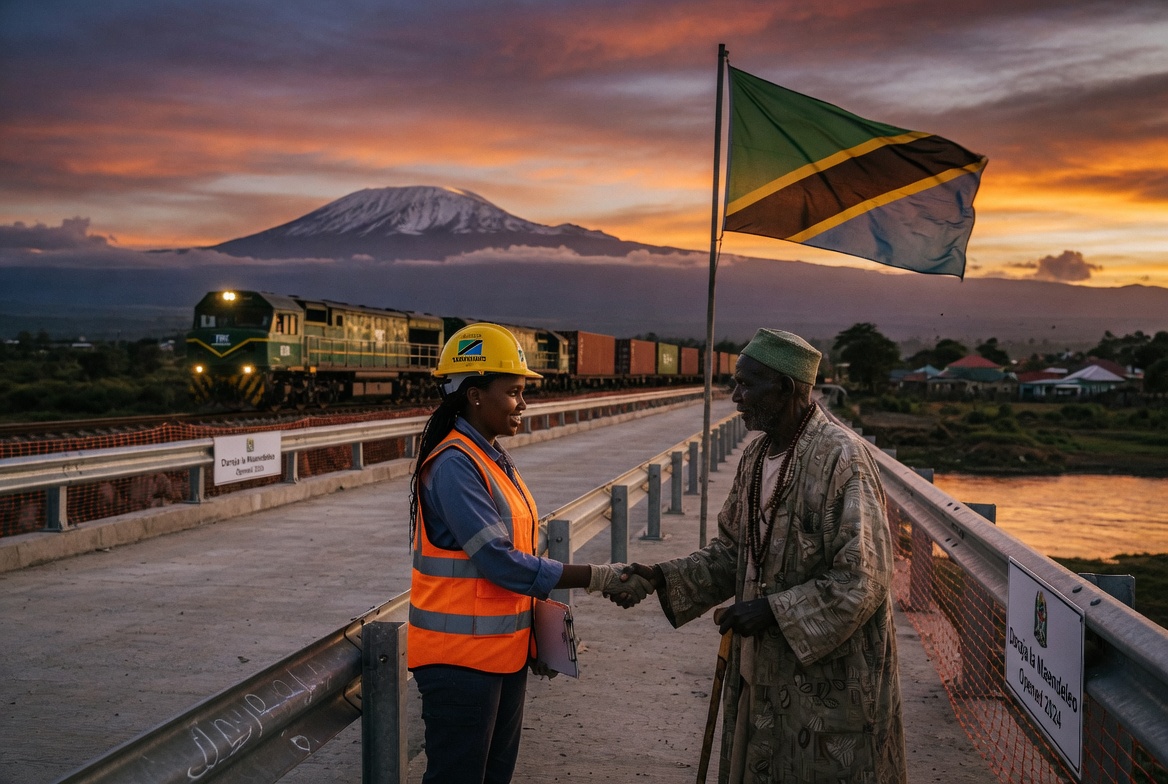
KWA NINI AMANI YA TANZANIA INAZIDI KUWA MUHIMU KWA UWEKEZAJI NA MAENDELEO YA KIUCHUMI
DAR ES SALAAM — Amani na umoja wa Tanzania sio tu kiini cha utambulisho wake wa kitaifa, bali zimezidi kuthibitishwa kuwa mali muhimu kiuchumi, zinazofanya nchi iwe kivutio cha wawekezaji na kuimarisha mwelekeo wake wa maendeleo ya muda mrefu katika mazingira ya kimataifa yanayobadilika haraka.
Kwa miongo kadhaa, Tanzania imejenga sifa ya utulivu inayotokana na maono ya Julius Kambarage Nyerere, ambaye alitanguliza umoja na utaifa katika jamii yenye utofauti. Mkazo huu wa awali wa kukuza mshikamano badala ya migawanyiko uliunda nguvu ya kijamii ambayo imeiwezesha nchi kusimamia tofauti za kisiasa na kijamii kupitia mazungumzo badala ya migogoro. Leo, urithi huo unaendelea kuleta faida kiuchumi, na kuifanya Tanzania kuwa eneo la uwekezaji linalotabirika na kutegemewa.
Matukio yaliyozunguka Uchaguzi Mkuu wa Oktoba 29, 2025, yalileta wakati wa mvutano, lakini pia yameimarisha umuhimu wa kulinda utulivu huu wa muda mrefu. Badala ya kuidhoofisha misingi ya nchi, uzoefu huo unaonyesha uimara wa taasisi za Tanzania na kujitolea kwa pamoja kwa watu wake kuhifadhi amani. Yanatumika kama ukumbusho kwamba utulivu si jambo la bahati nasibu, bali ni jukumu la pamoja la kitaifa ambalo lazima litunzwe kwa bidii.
Katika masoko ya kimataifa, utulivu ni mojawapo ya mambo muhimu yanayoathiri mtiririko wa uwekezaji. Wawekezaji hupenda kuwekeza zaidi katika mazingira yenye uthabiti wa sera, uaminifu wa taasisi na hatari ndogo ya usumbufu. Rekodi ya Tanzania ya amani inatoa hasa hivyo. Inapunguza wasiwasi, na kuwawezesha biashara kupanga mipango ya muda mrefu na kutekeleza miradi bila hofu ya machafuko yasiyotarajiwa.
Faida hii inaonekana zaidi katika sekta zinazohitaji mtaji mkubwa kama miundombinu, nishati na viwanda. Sekta hizi zinahitaji mipango ya muda mrefu, ahadi kubwa za kifedha na mifumo thabiti ya udhibiti. Mazingira ya Tanzania yamewezesha uwekezaji endelevu katika barabara, reli, bandari na miradi ya nishati, ambayo yote ni muhimu katika kufungua maendeleo mapana ya kiuchumi. Utulivu, katika maana hii, ni miundombinu isiyoonekana lakini muhimu inayounga mkono maendeleo halisi.
Zaidi ya hayo, amani inachangia moja kwa moja kupunguza gharama za kufanya biashara. Katika mazingira yasiyo na utulivu, kampuni lazima zijumuishe gharama kubwa za usalama, bima na hatari za uendeshaji. Utulivu wa Tanzania unazipunguza mzigo hii, na kuifanya iwe na ushindani zaidi kama kivutio cha uwekezaji. “Zawadi ya amani” hii inaongeza ufanisi na kuwawezesha serikali na sekta binafsi kuelekeza rasilimali katika shughuli zenye tija badala ya kuzuia hatari.
Utulivu wa nchi pia unaimarisha nafasi yake katika kanda. Katika Afrika Mashariki na Kati, ambapo baadhi ya nchi zimekabiliwa na wasiwasi wa mara kwa mara, Tanzania inajitokeza kama mshirika thabiti na anayetegemewa. Hii imeiwezesha kuwa lango la biashara na uwekezaji wa kikanda, na kuvutia biashara zinazotafuta msingi salama wa kufanyia kazi.
Vilevile, amani inaimarisha uhusiano kati ya amani na imani ya kijamii. Maendeleo ya kiuchumi hayatokani na uwekezaji pekee; yanategemea pia imani ya raia. Watu wanapoamini taasisi na kujihisi salama, wana uwezekano mkubwa wa kuwekeza katika biashara, kushiriki katika masoko na kuchangia maendeleo ya taifa.
Hali hii ni muhimu sana kwa biashara ndogo na za kati ambazo ndizo uti wa mgongo wa uchumi. Katika mazingira tulivu, wajasiriamali wako tayari kuchukua hatari, kupanua shughuli na kubuni. Taasisi za fedha pia huwa tayari kutoa mikopo wakati mazingira yanapotabirika.
Kwa vijana wengi wa Tanzania, amani ni kiwezesha muhimu cha fursa. Mazingira tulivu yanaunga mkono elimu thabiti, ukuaji wa ustadi na ajira. Inawaruhusu vijana kupanga maisha yao kwa ujasiri. Kulinda utulivu huu sio tu kuhifadhi yaliyopo, bali ni kuhakikisha uwezo wa kiuchumi wa nchi wa muda mrefu.
Katika kiwango cha juu, amani ya Tanzania imewezesha mwendelezo wa utekelezaji wa sera na mipango ya maendeleo. Uwekezaji mkubwa katika miundombinu, afya, elimu na nishati unahitaji mwelekeo endelevu wa miaka mingi. Hata usumbufu mdogo unaweza kuchelewesha maendeleo na kuongeza gharama. Uwezo wa Tanzania wa kudumisha utulivu unahakikisha miradi hii inasonga mbele kwa utulivu.
Uzoefu wa Oktoba 29 unaonyesha kwa nini kudumisha amani bado ni muhimu. Vipindi vya mvutano, vinaposhughulikiwa kwa busara, vinaweza kuimarisha umoja wa kitaifa kwa kukuza mazungumzo, uwajibikaji wa taasisi na kuimarisha kujitolea kwa maadili ya pamoja.
Hata hivyo, amani si jambo la kiotomatiki. Inahitaji juhudi za makusudi, taasisi imara na uongozi wenye uwajibikaji. Mazungumzo, ushirikishwaji na heshima kwa mitazamo tofauti bado ni muhimu.
Kadiri uchumi wa dunia unavyozidi kuwa na wasiwasi, utulivu wa Tanzania unazidi kuwa na thamani kubwa. Wawekezaji wanatafuta mazingira yenye mapato na ustahimilivu. Katika muktadha huu, amani ya Tanzania ni faida ya ushindani inayoifanya iwe tofauti na masoko mengine.
Kwa mtazamo wa mbele, fursa kubwa iko katika kutumia utulivu huu kuharakisha mabadiliko ya kiuchumi. Kwa kuimarisha taasisi, kukuza maendeleo yanayojumuisha wote na kudumisha mazingira thabiti ya sera, Tanzania inaweza kugeuza amani yake kuwa ukuaji endelevu na ustawi.
Hatimaye, uzoefu wa Tanzania unaonyesha kuwa amani si kiwaza cha kijamii tu; ni rasilimali muhimu kiuchumi. Inasimamia uwekezaji, inaunga mkono maendeleo na kuimarisha ushindani wa taifa. Kwa kulinda msingi huu — hasa baada ya wakati muhimu kama uchaguzi wa Oktoba 29 — nchi iko katika nafasi nzuri ya kujenga mafanikio yake na kupata mustakabali wa ustawi wa pamoja na ustahimilivu wa kiuchumi.