Katika ulimwengu wa leo unaoendeshwa na uchumi wa kidijitali na masoko yanayounganishwa papo hapo, amani na utulivu wa kisiasa si tena suala la maadili pekee bali ni mali halisi na mtaji muhimu zaidi ambao nchi inapaswa kuulinda kwa gharama yoyote ile. Jukumu hili ni la kila mmoja wetu na linapaswa kutekelezwa kwa wivu mkubwa.
Mara nyingi tunazungumzia amani kama dhana ya kimaadili au kiutu. Hata hivyo, ukweli ni kwamba ”uchumi unaogopa kelele”. Pesa ina tabia ya uoga na inakimbia mahali penye hatari ya migogoro na kutua mahali penye utulivu na panapotabirika kisera na kisiasa kama ilivyo Tanzania. Wawekezaji, iwe wa ndani au wa kimataifa, hawatahatarisha mtaji wao katika mazingira yasiyo na amani na utulivu.
Wakati siasa za chuki, migawanyiko au vurugu zinaporuhusiwa kuchukua nafasi, nchi inatuma ujumbe mbaya moja kwa moja kwa masoko ya fedha. Matokeo yake huwa dhahiri: wawekezaji husita kuwekeza, miradi mipya ya viwanda na miundombinu inacheleweshwa au kughairishwa, ajira zinapungua, na sarafu inayumba. Mwishowe, mzigo unabebwa na mwananchi wa kawaida kupitia kupanda kwa bei za bidhaa, kupungua kwa fursa za ajira na kupungua kwa uwezo wa kununua.
Katika kipindi cha baada ya COVID-19, vita vya Urusi-Ukraini na mvutano unaoendelea katika Mashariki ya Kati, nchi zinazofanikiwa kiuchumi zimeonyesha wazi kuwa utulivu wa kisiasa ndio unazifanya zivutie uwekezaji wa moja kwa moja kutoka nje (FDI). Tanzania, ikiwa na historia yake tajiri wa amani, ina fursa kubwa ya kuwa kiongozi wa kiuchumi katika Afrika Mashariki lakini fursa hiyo inategemea kudumisha utulivu wa kisiasa na umoja wa kitaifa.
Kulinda amani si “ngonjera za kisiasa” tu. Ni mkakati halisi wa kiuchumi. Amani inamaanisha:
- Biashara ndogo ndogo zinaendelea bila hofu
- Vijana wanapata ajira na fursa halisi
- Shilingi yetu inabaki imara
- Wawekezaji wa ndani na nje wana ujasiri wa kuwekeza kwa muda mrefu
**Hitimisho**
Amani si tu kutokuwepo kwa vita au maandamano. Amani ni mazingira yanayowezesha biashara, ukuaji wa uchumi na maendeleo endelevu. Katika karne ya 21, nchi ambazo zitachagua utulivu wa kisiasa na maridhiano ya kitaifa ndizo zitakazoshinda katika mashindano ya uchumi wa kimataifa.
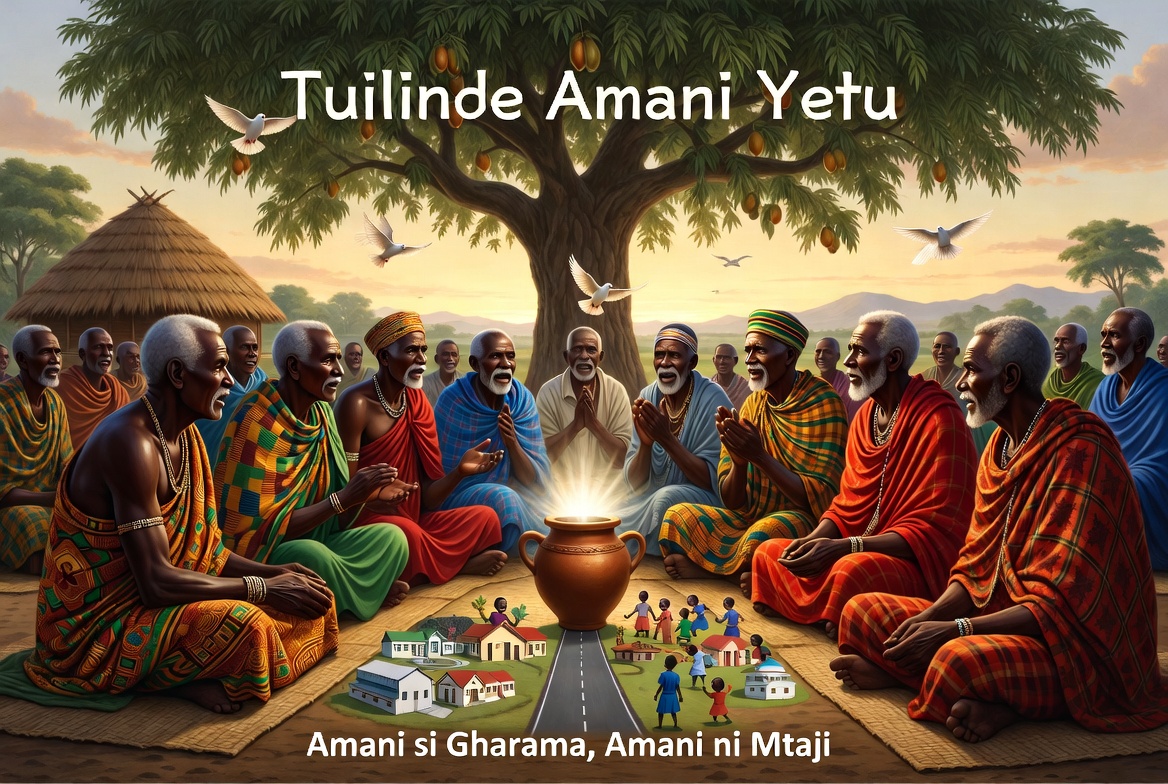
Tuilinde amani yetu.
Kwa sababu **amani si gharama — amani ni mtaji**.