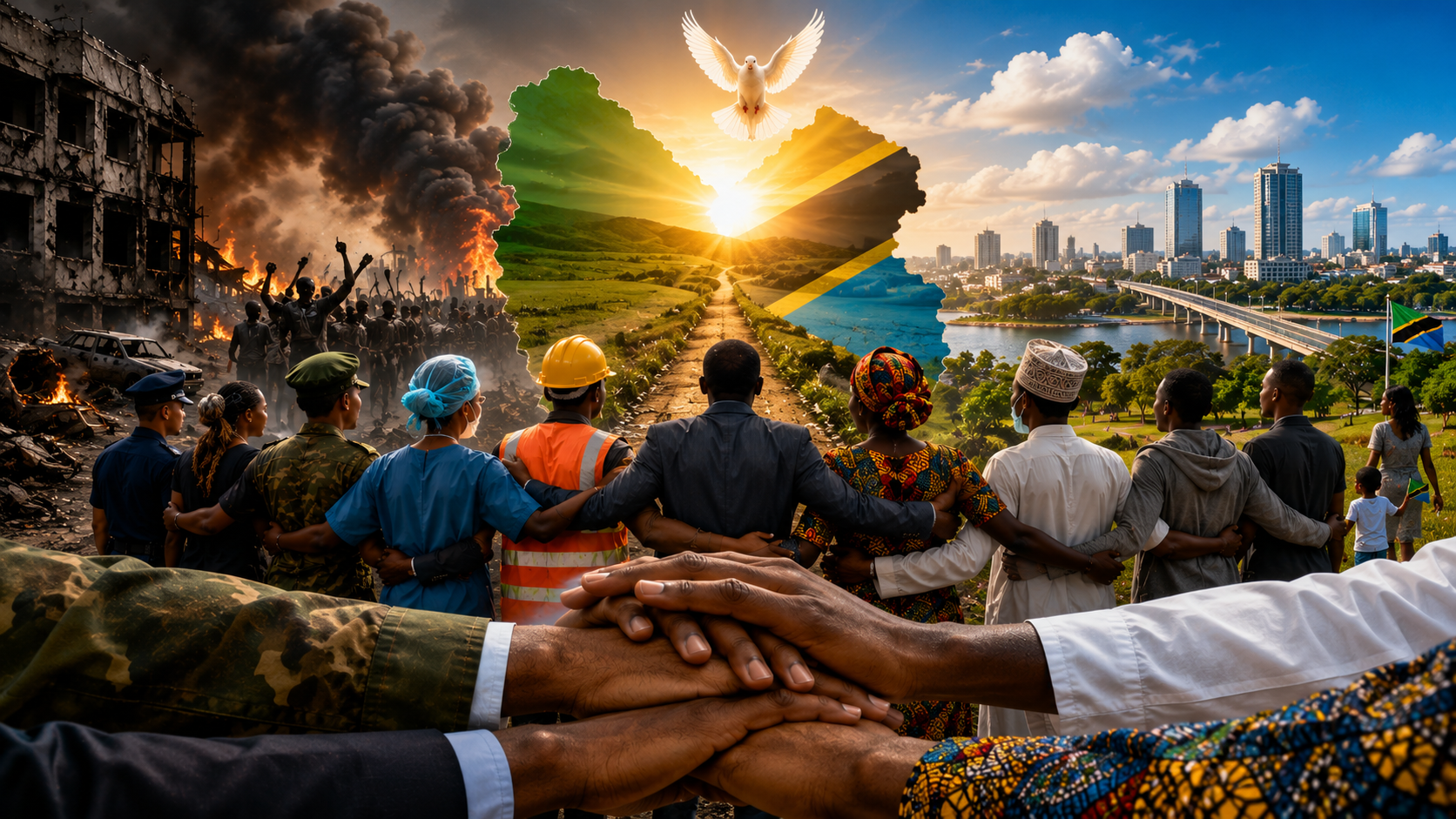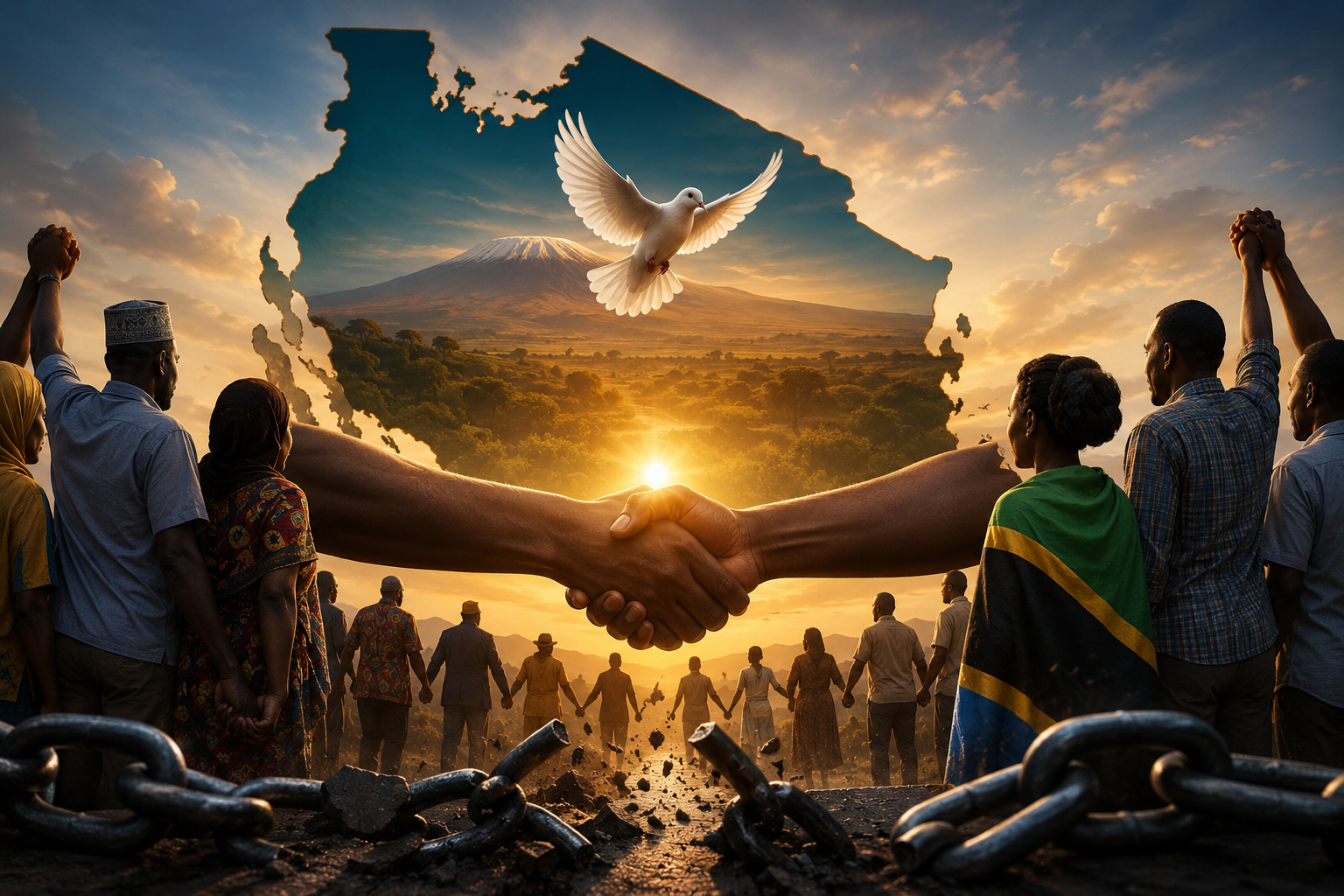
Tanzania imeuingia katika ukurasa mpya na wenye matumaini makubwa katika siasa yake. Siku za hivi karibuni, taifa limeelekeza nguvu zake katika kujenga **maridhiano**, maelewano na ushirikishwaji wa kweli wa wadau wote katika safari ya maendeleo ya taifa. Hotuba za viongozi wakuu na mawaziri zimekuwa zikisisitiza umuhimu wa kuunda taifa moja lenye maono ya pamoja, ambapo tofauti za kiitikadi zinatumika kama chachu ya ubunifu na maendeleo badala ya kuwa chanzo cha migawanyiko na chuki.
Mabadiliko haya yanaonyesha kukomaa kwa demokrasia yetu, ambapo sauti za upinzani zinatambuliwa kama nyenzo muhimu ya ukaguzi na uwajibikaji badala ya adui wa kupigwa vita. Siasa inaondoka polepole kwenye ushindani mkali usio na tija na kuelekea kwenye mazungumzo yenye maana yanayolenga maslahi mapana ya taifa.
Mabadiliko haya mazuri yamepokelewa kwa furaha na matumaini makubwa na sehemu kubwa ya wananchi. Yanatoa nafasi ya kupumua, kuondoa hofu iliyokuwepo, na kujenga mazingira ya amani ya kisiasa yanayofaa kwa maendeleo halisi.
Nguvu ya maridhiano imethibitishwa duniani kote. Afrika Kusini iliweza kujenga taifa lenye umoja kupitia Tume ya Ukweli na Maridhiano iliyoongozwa na Askofu Desmond Tutu baada ya ubaguzi wa rangi. Rwanda iliweza kupona haraka kutokana na mauaji ya kimbari ya 1994 kwa kuwahamasisha raia wake kukubali makosa na kusameheana. Hata Colombia, baada ya miaka mingi ya vita vya wenyewe kwa wenyewe, iliweza kuleta amani kupitia mazungumzo na maridhiano ya dhati.
Bw. Hassan Juma, mfanyabiashara mdogo wa Kariakoo, anasema:
“Hili la maridhiano ni zuri sana. Linatupa amani sisi wafanyabiashara. Tukiwa na utulivu wa kisiasa, serikali inaweza kujikita zaidi kutatua matatizo yetu halisi ya soko, kodi na miundombinu badala ya kupoteza nguvu kwenye mabishano yasiyo na tija.”
Bi. Aisha Salum, mwanafunzi wa Chuo Kikuu Huria cha Dar es Salaam, anaongeza:
“Maridhiano ni mazuri, lakini tunataka kuona matokeo halisi katika utawala wa sheria. Hatutaki kunyamazishana, tunataka mchakato wa dhati unaojenga msingi imara wa utawala bora, uwazi na uwajibikaji.”
Maoni ya wananchi yanaonyesha matarajio makubwa. Wanataka maridhiano yasibaki maneno matupu, bali yawe chombo cha kujenga taifa lenye haki, uwazi na umoja wa kweli.
Kama ilivyotokea katika nchi nyingine duniani, maridhiano yanayofanywa kwa uaminifu yanaweza kugeuza taifa kutoka migawanyiko hadi umoja na maendeleo endelevu. Hii ndiyo fursa ya Tanzania kujenga mustakabali mzuri na wenye matumaini mapya.
Siasa
•
•
2 dak.
•
2,267
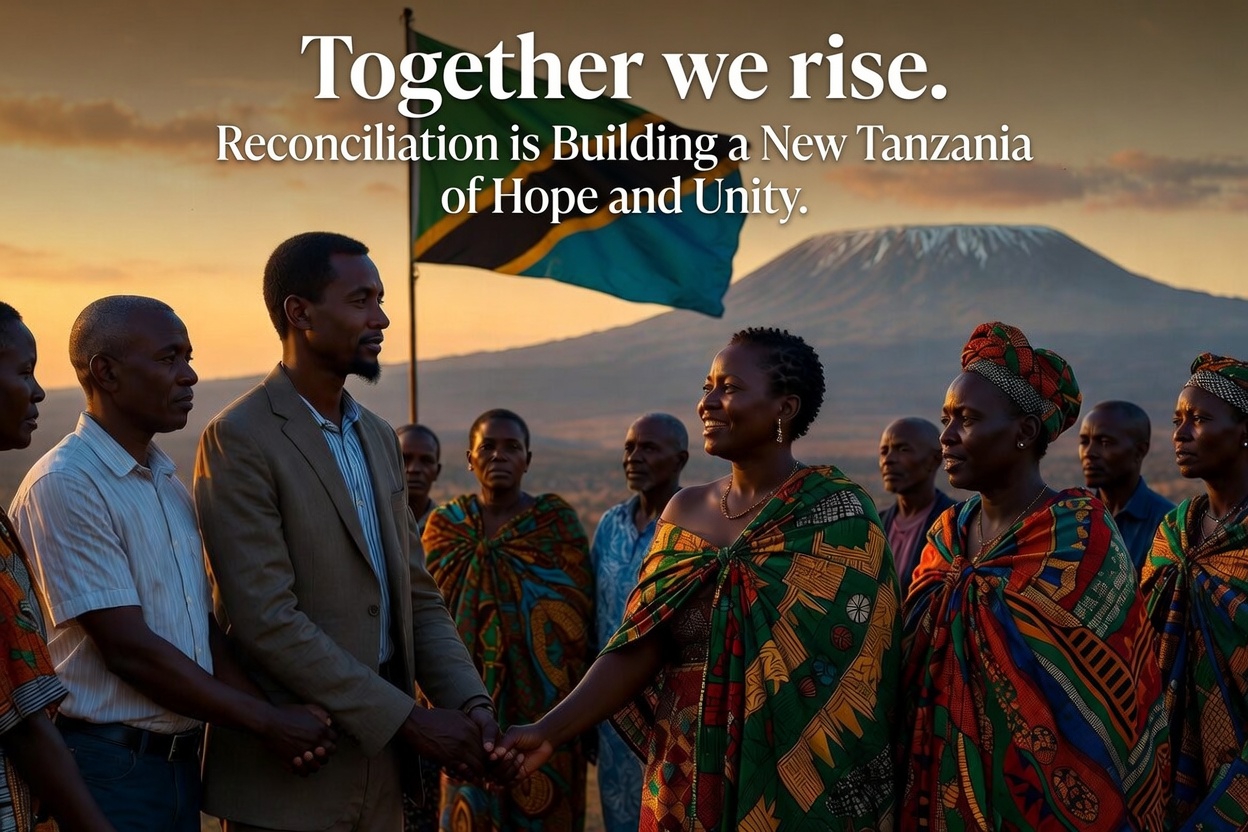
Maridhiano ya Kisiasa: Mapambazuko Mapya ya Matumaini kwa Tanzania
AK
Ali Kapongo